 302-929-7676





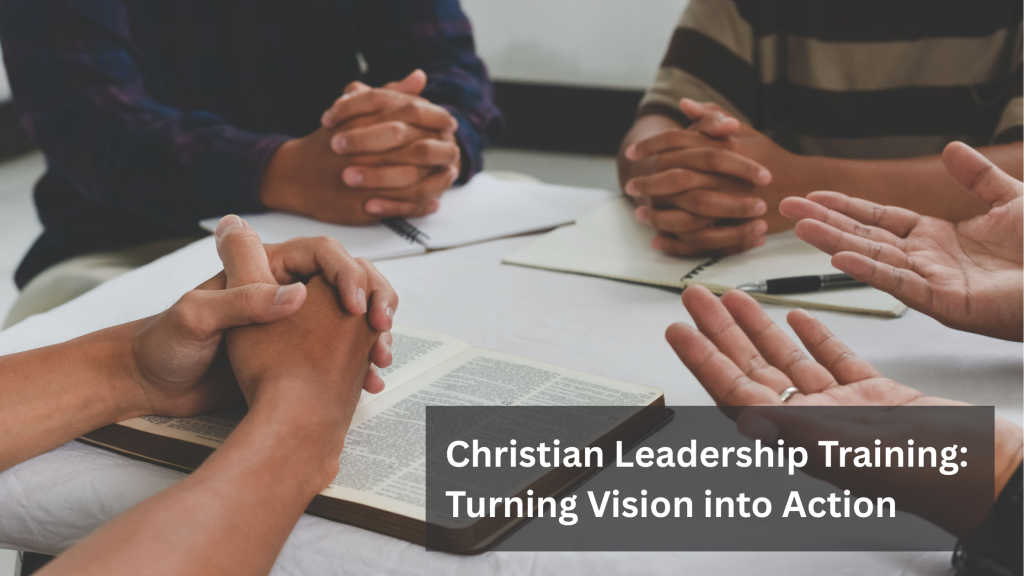
Christian leadership training is more than a program. It is a practice of stewardship. Many people in ministry and faith-based nonprofits already understand what good leadership looks like. But how do you move from the concept of Christian leadership to the consistent practice of implementing it? The answer is Christian leadership training.
In our last blog, we discussed the importance of investing in Christian leadership development and the transformation this can bring to faith-based organizations. Christian leadership is both a spiritual calling and a practical responsibility. A strong leadership development strategy equips leaders to guide and serve in a way that reflects biblical truth and faithful stewardship. If you haven’t read it yet, take a look at our previous article here.
Once a leadership development strategy is in place, the next step is to move from vision to action. That’s where Christian leadership training makes the difference. It provides the structure, tools, and support leaders need to grow with confidence, clarity, and resilience.
Whether someone is leading a team, teaching a class, or guiding a small group, leadership growth doesn’t happen by accident. It requires a training and discipleship framework that is intentional, sustainable, and rooted in your values. And because every church’s theology, culture, and mission are different, Christian leadership training must be tailored. There is no one-size-fits-all.
This blog outlines five components of a strong Christian leadership training framework. Practical steps you can take to grow leaders who reflect both Christ’s character and advance your mission with purpose.

Effective Christian leadership training begins with alignment. Before building content or calendars, start by asking: What does Christ-like leadership look like in our context? The answer will vary for a youth pastor, a worship director, or a volunteer coordinator. Each role reflects different aspects of ministry, and your training should reflect those distinctions.
Your church or nonprofit already has a unique identity. Let that identity guide your leadership formation. Begin by gathering input from those already leading—pastors, staff, and trusted volunteers. Ask what support they’ve needed in their roles and where they’ve seen others thrive or struggle.
Use these conversations to define shared leadership values rooted in Scripture and expressed in your ministry’s culture. When your training reflects your theological convictions and lived mission, it will be clearer, relevant, and lasting.
Once your training is rooted in your ministry’s theology and culture, the next step is to define what success looks like. That begins with setting clear objectives and outcomes. Training without clear goals quickly becomes an activity without impact. Your leadership training must define what leaders should know, do, and become to be effective.
What spiritual habits should they grow in? Are there skills I need to develop? What kind of presence should they bring to their teams?
Start with tangible outcomes. Do you want leaders who delegate with confidence? Who navigate conflict with grace? Who model spiritual maturity? Make these aims visible and specific.
Write objectives that are both measurable and meaningful. For example:
When objectives are clear and connected to real-life ministry, training becomes more than a checklist—it becomes a catalyst. Leaders gain a sense of direction, trainers know how to guide them, and church teams or organizations can track meaningful growth. With clarity around outcomes, you create a pathway where development is both intentional and transformational.
With clear objectives in place, the next step is to design a training structure that supports leaders at every stage of their journey. Not every leader needs the same level of training or discipleship. That is why an effective framework includes layered development paths that match each person’s role and experience.
Create different entry points:
Use a mix of training formats:
Each layer should integrate both theological depth and practical tools that guide leaders to apply what they are learning in real ministry settings.
Make training active, not passive. Provide chances to practice, reflect, and receive feedback. The goal is not to fill heads, but to form hearts and sharpen hands for the work of ministry.

A strong training structure also depends on who delivers it. That’s why identifying the right trainers and mentors is essential to bringing your leadership framework to life. But you don’t need to outsource training to begin. Start with the people already in your church.
Identify mature, respected leaders who can model what Christ-centered leadership looks like. These may be pastors, elders, ministry directors, or seasoned volunteers.
Equip these trainers with support of their own. Offer coaching, resources, and space for growth. Strong trainers don’t just teach—they disciple.
That is the heart of Christian leadership training. It is not just about passing on knowledge. It is about walking with others in humility, service, and shared growth. When training is relational, it becomes deeply transformational.
Once the right people are in place to mentor and guide others, the next step is creating regular rhythms that support long-term growth. To ensure that growth continues over time, leadership training must include regular opportunities for reflection and review. These rhythms help leaders stay aligned, supported, and on track in their development journey. Leadership training is not a one-time event—it’s an ongoing process. That’s why consistent rhythms of reflection are essential.
Build in checkpoints to pause, evaluate, and adjust. This might look like:
These moments give leaders space to process, grow, and stay grounded. They also help your training stay relevant and responsive to real needs.
A review is not about policing performance. It is about strengthening people. When you create space for honest reflection, you build trust and long-term sustainability into your leadership culture.
Christian leadership training is how we steward both the calling and the people God has entrusted to us. It’s not just a strategy—it’s a ministry.
If you’re just starting, take one small step this month: draft a few leadership objectives, gather feedback from your team, or begin outlining a layered path for growth.
And if you want support in that process, Aspire Leadership is here to help. Our programs are designed to help churches build Christian leadership training frameworks grounded in biblical values and built for real-life impact.
Schedule a leadership review call today to explore how we can support your leadership training journey—so your team can grow with clarity, confidence, and purpose.
Book a free 15-minute call with a program specialist, or apply directly to start your cohort.